Tax Review
Tax return review processes, review notes, quality control, checklists, and review workflow optimization for CPA firms.

Article
How to Measure Tax Review Efficiency Without Gaming It
Cycle time, review passes per return, and recurring-comment rate are three numbers most firms can already pull from their workflow. Here's exactly how each one gets faked the moment it becomes a target instead of a diagnostic.

Article
How Long Does Tax Return Review Take?
The IRS publishes exactly how long a return takes to prepare, broken down by activity, for every return type it processes. Review isn't one of those categories — here's the honest range that exists, and what would have to be measured to get a real one.

Article
What Is Review by Exception for CPA Firms?
Review by exception means most of a return gets no second look at all — only what's flagged does. When that scope is defensible under Circular 230, and when it's a diligence failure wearing an efficiency label.

Article
A carryforward is inherited. Nothing this year re-proves it.
Four of the five tax return review checks test this year's return. The fifth tests whether it agrees with last year's — and a carryforward that was wrong once stays wrong until someone actually looks.
Article
Common Tax Return Review Errors
Four kinds of errors that keep reaching review at CPA firms — carryforward mismatches, unauthorized elections, source disagreement, and disclosure gaps — and the structural reason each one survives preparation instead of getting caught there.

Article
A review note survives the season. It rarely survives the filing.
Why a reviewer's most useful note is also the one a firm is least likely to still have next season — and what nothing in Circular 230 requires it to survive.

Article
What Does a Senior Tax Reviewer Actually Check?
The order a second-level reviewer actually works in — prior year, diagnostics, one full read, targeted sourcing, then judgment — and why getting the sequence wrong costs more than getting one line wrong.
Article
What Makes a Tax Return Review-Ready?
The five preparer-side gates a return should clear before it reaches a reviewer, and what an incomplete file actually costs a firm when it skips them.

Article
Tax Return Review Process: A Step-by-Step Guide
The eight steps a completed return actually moves through before it is signed and filed — from organizer intake to e-file authorization — and the due-diligence obligations under Circular 230 that make each step non-optional.
Playbook
Tax Return Review Checklist for CPA Firms
A firm-wide, return-type-agnostic review checklist: engagement scope, prior-year continuity, agreement to source, positions and authority, required disclosures, and e-file signature — the six checks that apply before any entity-specific schedule review starts.
Article
What is tax return review?
Tax return review is the independent second look a return gets before it is signed — what it checks, why professional standards make it mandatory rather than optional, and the specific line where automation stops and judgment starts.
Article
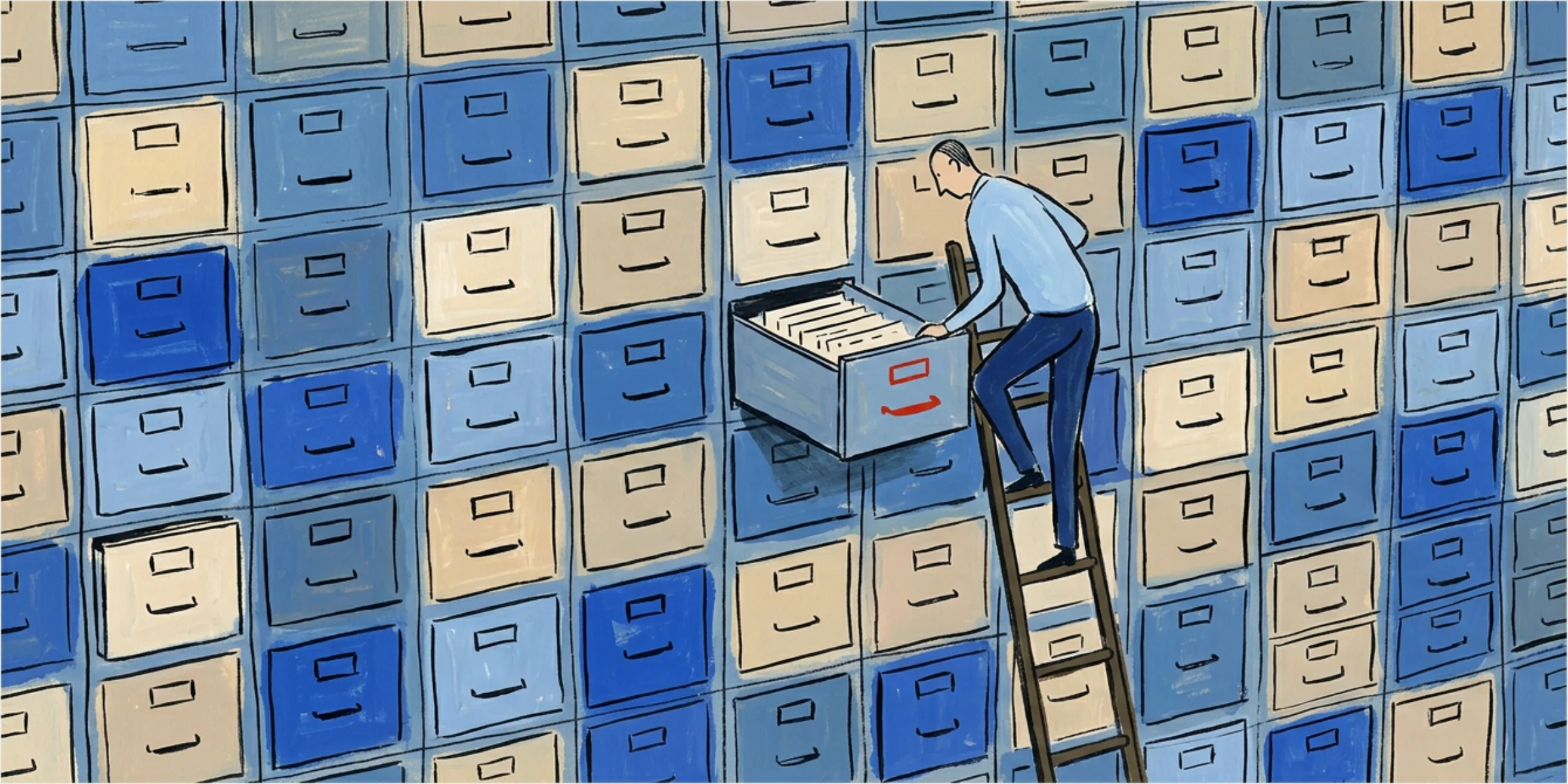
The Complete Guide to Tax Return Review
What tax return review actually checks, the multi-tier model most CPA firms run it through, and the Circular 230 and IRC 6694 obligations that make it effectively mandatory — the hub for Pernee's Tax Review cluster.