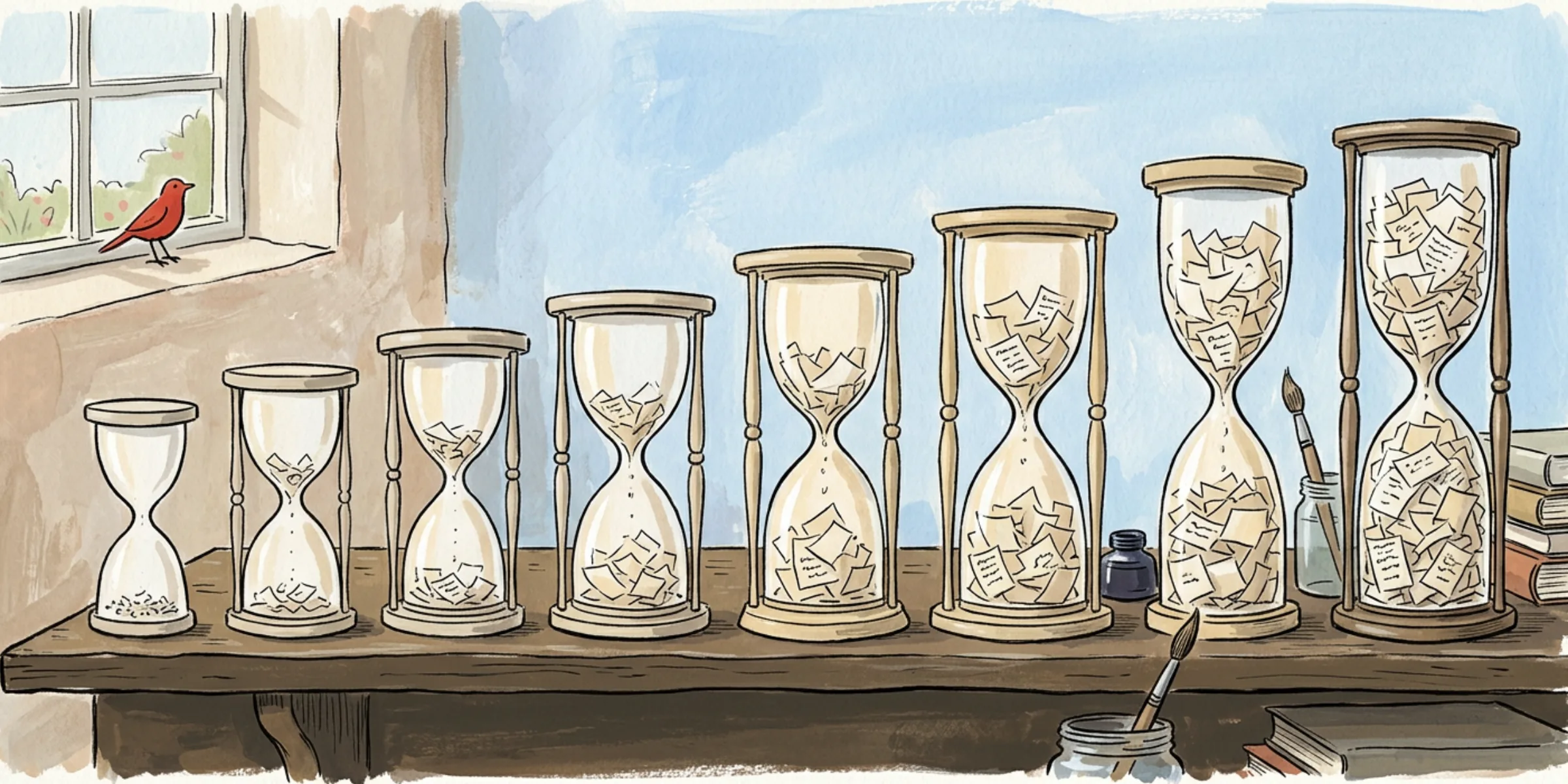
A review note records the one thing a checklist can't — why a reviewer accepted a position, overrode a diagnostic, or dropped last year's aggressive treatment. Then the season ends, and most of that reasoning goes with it. Nothing requires otherwise: 26 CFR § 1.6107-1 obligates a preparer to keep a copy of the filed return for three years. It says nothing about the note explaining why the return looks the way it does.
3 years
How long 26 CFR § 1.6107-1 requires a preparer to retain a filed return — a duty that reaches the return, not the reasoning behind it
Written
A reviewer attaches a note to the line it explains — a judgment call a checklist wouldn't catch.
Routed to the preparer
The note travels inside whatever software the reviewer had open when they wrote it.
Cleared
The preparer responds, and the reviewer marks it resolved.
Filed
The return goes out. Nothing distinguishes a cleared note from one that was never written.
What happens next season
Unless someone carries it forward by hand, the note stays behind with this year's closed file.
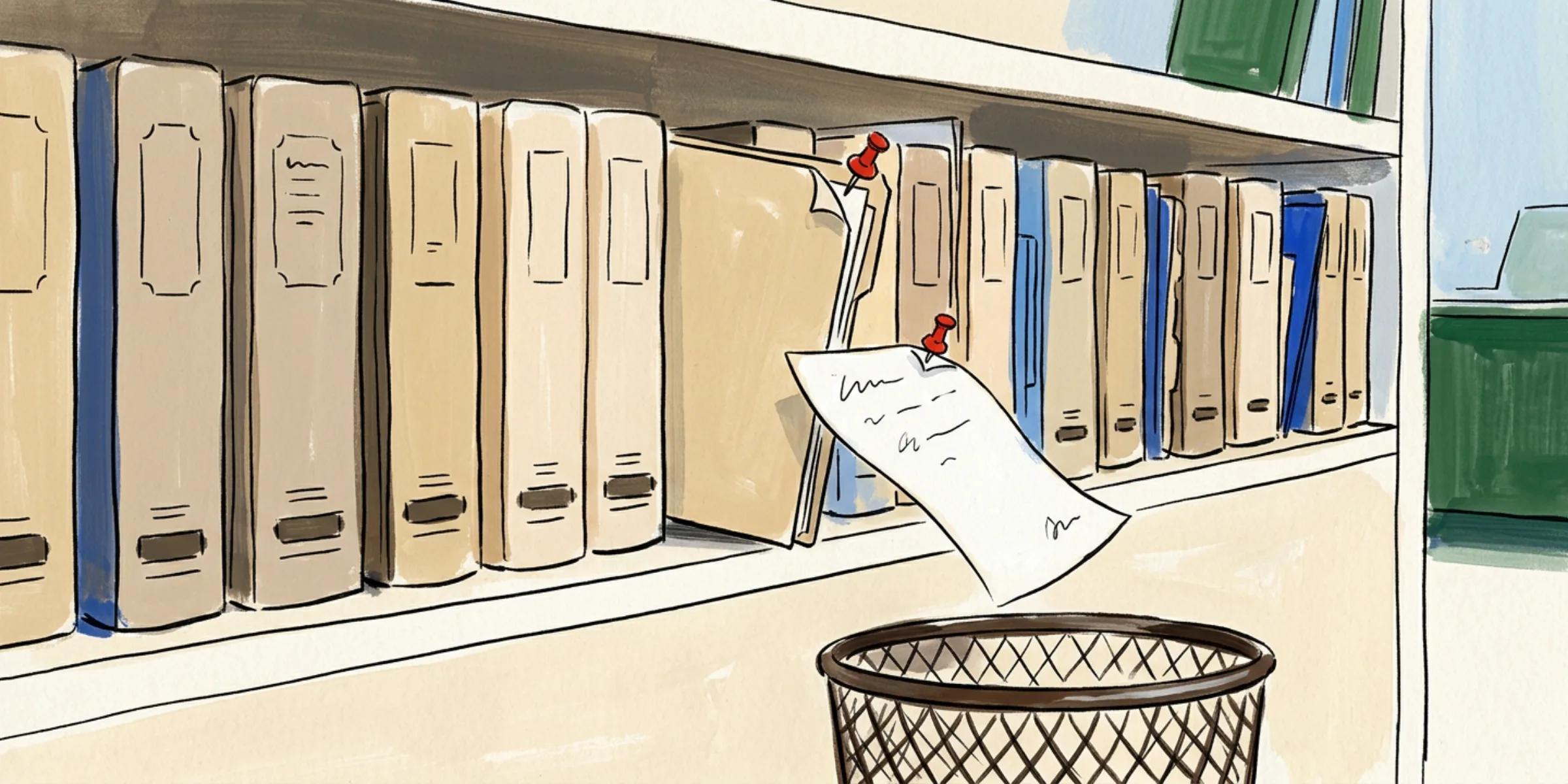
31 CFR § 10.36 requires a firm to have adequate review procedures — a real, enforceable duty, but one about process, not about whether last April's reasoning is findable next April. Pernee attaches a review note to the return line it explains and keeps it there past the season that produced it, so the next reviewer finds the reasoning, not a closed file.
Review notes are one piece of a longer process
See how review notes fit into the full tax return review workflow, tier by tier.
Give review notes somewhere to live past the season
See how Pernee keeps a reviewer's reasoning attached to the return line, across the seasons a firm actually revisits it.