Every review team can tell when a return isn't ready. Almost none of them have written down what "ready" actually means, which is why the same three or four preparer habits keep costing the same review cycle time, quarter after quarter, without anyone naming them.
31 CFR § 10.22(a) puts the diligence duty on whoever is "preparing or assisting in the preparation of, approving, and filing" a return — not only on the partner who eventually signs it. A preparer's obligation to that standard doesn't start when a reviewer opens the file. It has already been met, or not, by the time the file gets there. Review-ready is what that obligation looks like in practice, on one desk, before anyone else is involved.
What has to be true before a return leaves the preparer's desk
Five things, roughly in this order, separate a return that's ready to review from one that only looks finished:
Every figure traces to a document on file
Not "the client will send it" — the source document itself, already attached, for every income, deduction, and credit line.
Prior-year carryforwards are tied to the filed return
Reconciled against the return as it was actually filed last year, not against what the preparer remembers deciding.
Every software diagnostic is cleared or explained
A dismissed warning carries a documented reason next to it, not a silent override.
Aggressive positions are flagged, not buried
If a position needed a judgment call, the preparer names it — instead of leaving the reviewer to notice.
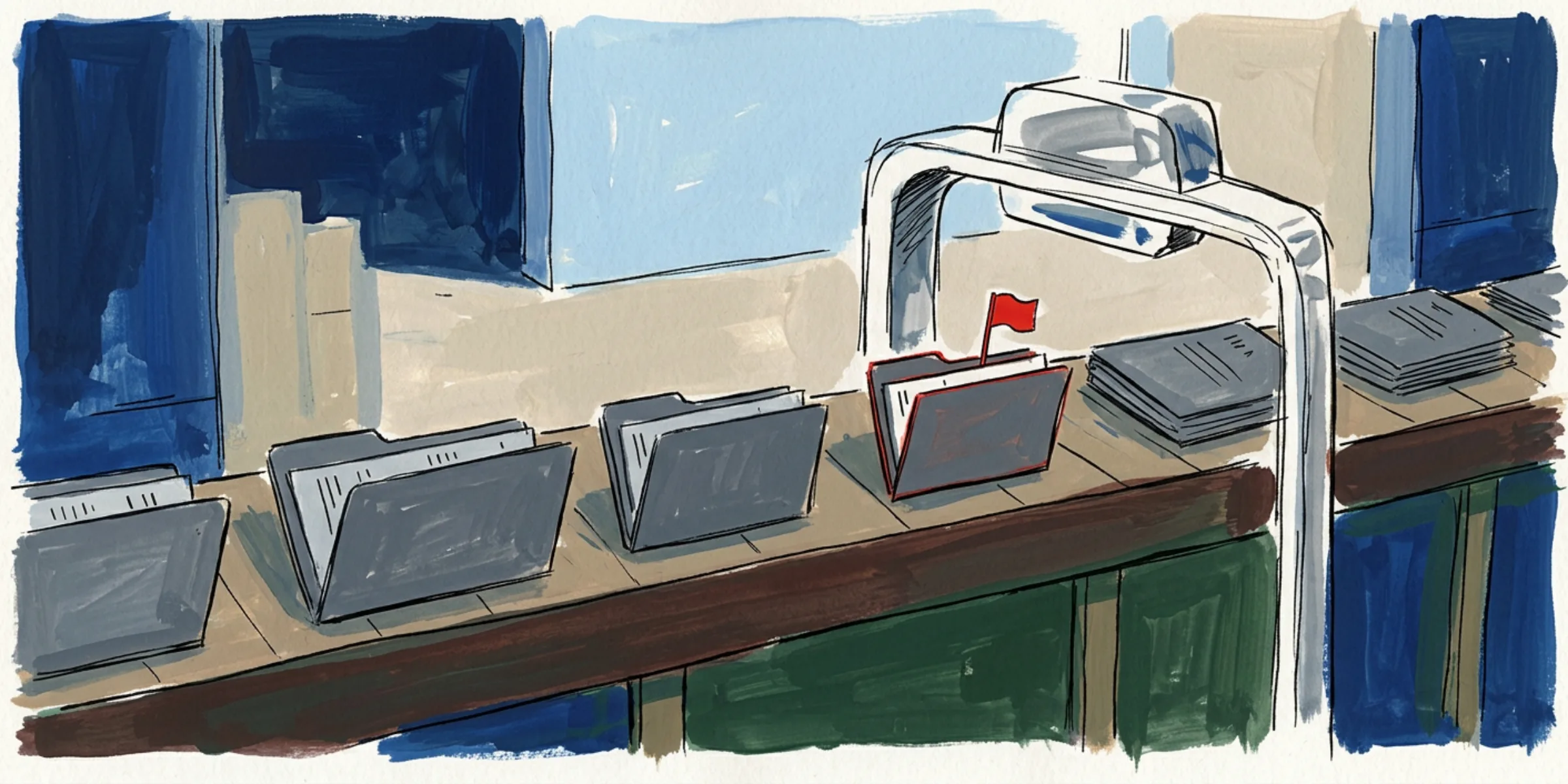
Self-review actually happened, and it's visible
Not a step someone skips under deadline pressure with no record afterward that it was skipped.
What it costs when one skips the queue
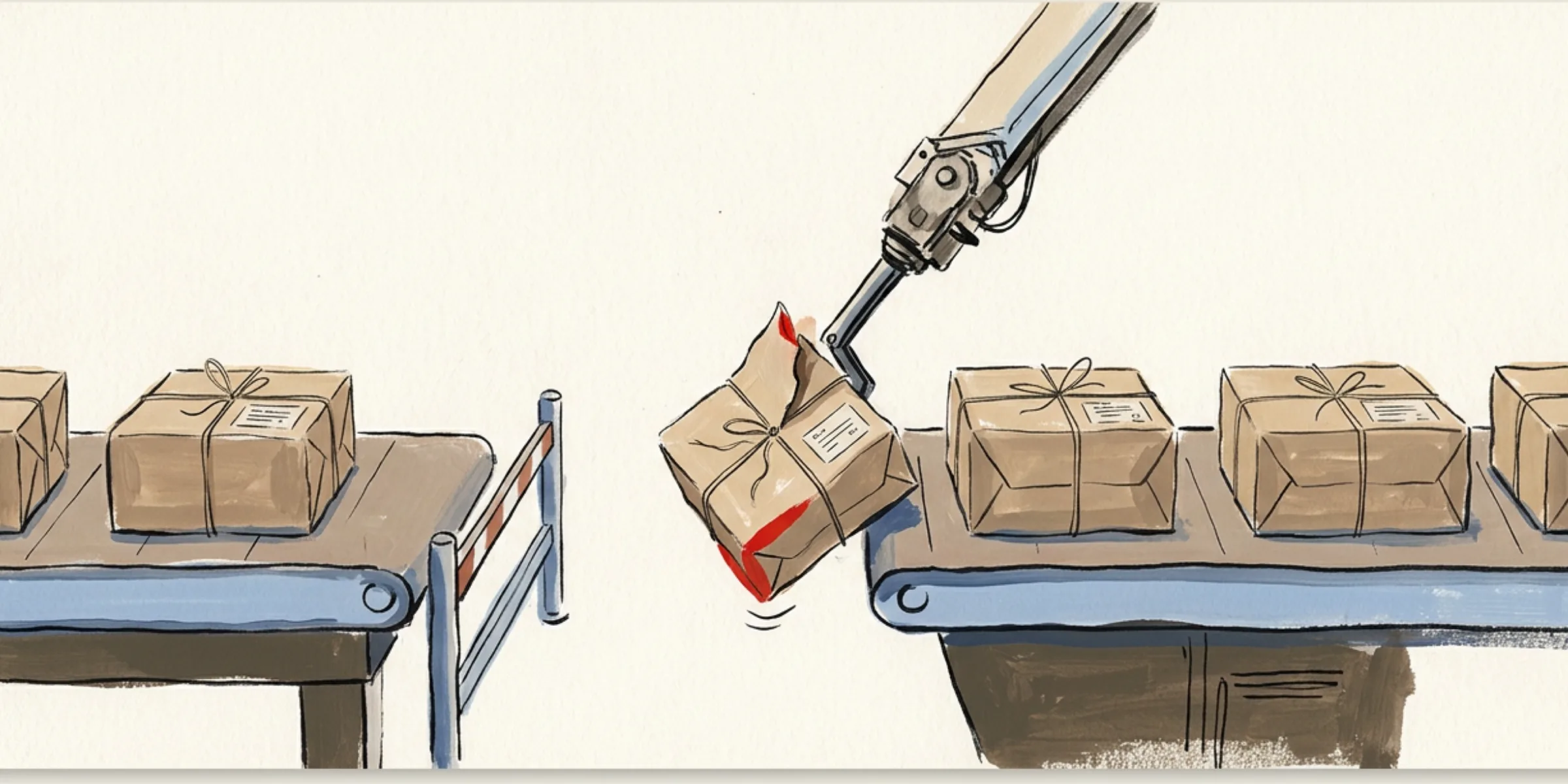
Here's what actually happens when a return that hasn't cleared that sequence lands in the review queue anyway. A first-level reviewer opens a return Thursday afternoon, three days ahead of a Monday extension batch, and finds a partnership K-1's basis reconciliation missing — not wrong, just not there. The reviewer can't sign off on a number they can't trace, so the return goes back. The preparer who touched it is now two clients further into their own queue and has to reconstruct where the basis schedule came from before they can even answer the question. That reconstruction eats an hour nobody budgeted, on a Thursday when there wasn't an hour to spare, and the return slides into Friday's batch instead of Thursday's — which means Friday's own returns slide too.
None of that is a review problem. The reviewer did exactly what a reviewer should do: caught a gap instead of signing past it. The cost sits entirely on the preparer's side of the sequence, and the firm pays it whether or not the return eventually files correctly — because the diligence Circular 230 assigns at preparation didn't happen at preparation. It happened later, under worse conditions, done by someone whose job that review cycle was not.
Review-ready is one gate in a longer sequence
See the complete tax return review guide this fits into — the checks and the multi-tier process built around them.
Where the definition should live
The fix isn't a stricter checklist pinned above someone's desk — firms already have those, and preparers already ignore them under deadline pressure the same way drivers ignore speed limits they agree with in the abstract. What's missing is a record: which of the five gates a specific return cleared, confirmed by the preparer, visible to the reviewer before they open the file — so a Thursday-afternoon surprise becomes a Tuesday-morning question instead.
Pernee attaches that confirmation to the return itself, not to a shared checklist nobody re-reads once a season ends. A preparer marks each gate cleared inside the tools the firm already runs; a reviewer opens the file already knowing what to expect, instead of finding out by reading every line of it first.
Give reviewers a file they can trust on sight
See how Pernee tracks preparer self-review against the return it belongs to, before the file ever reaches a reviewer.