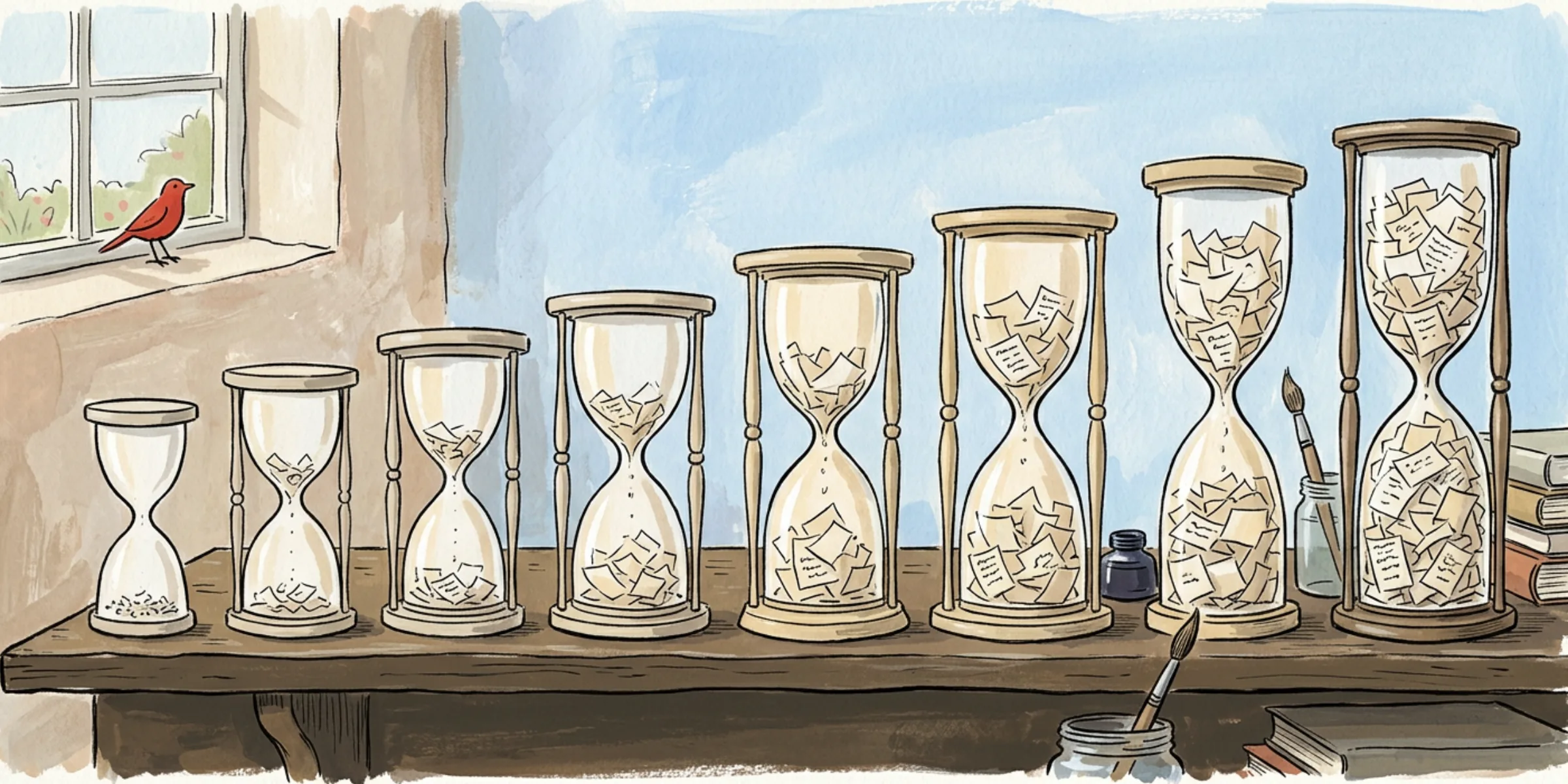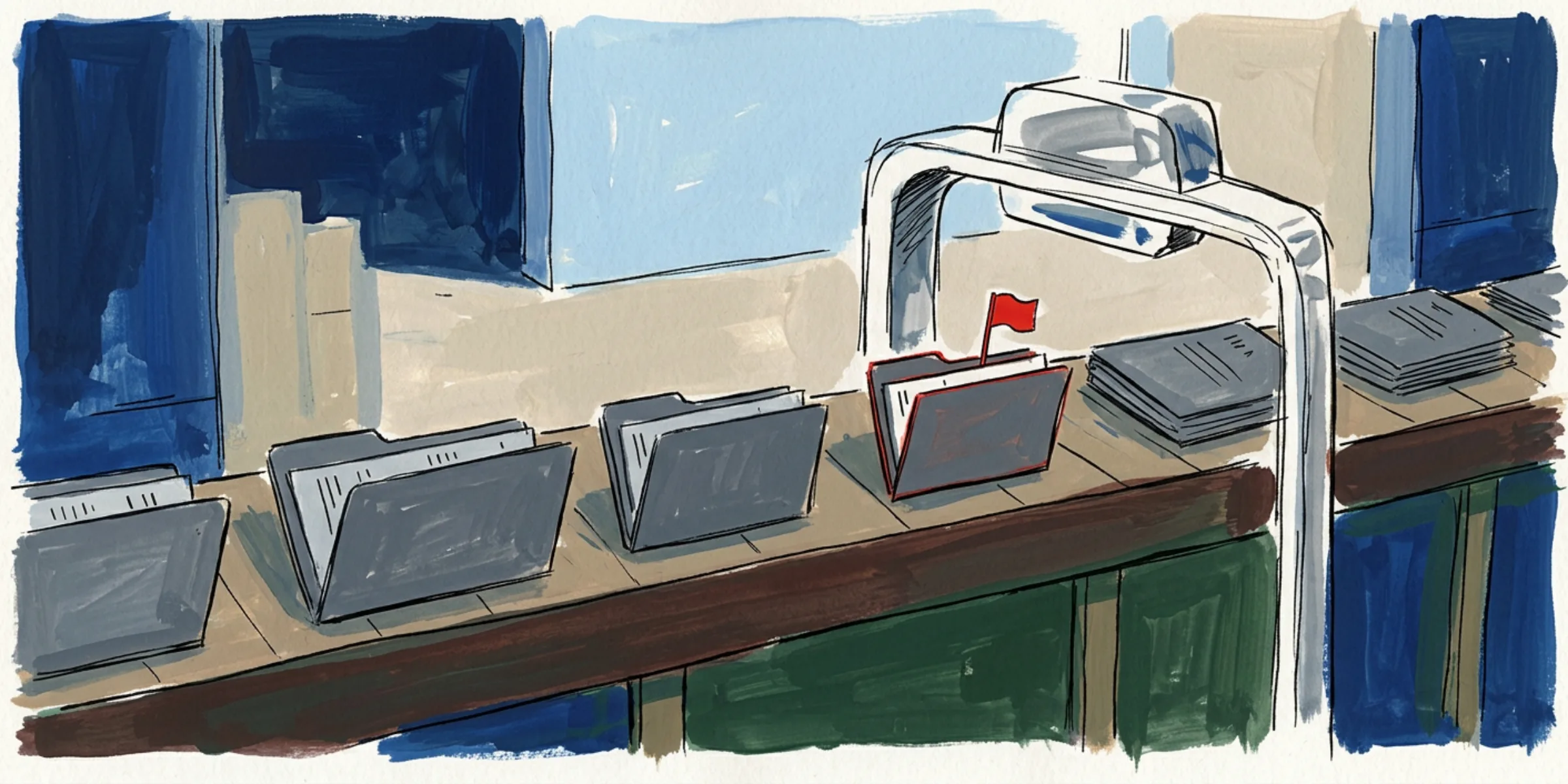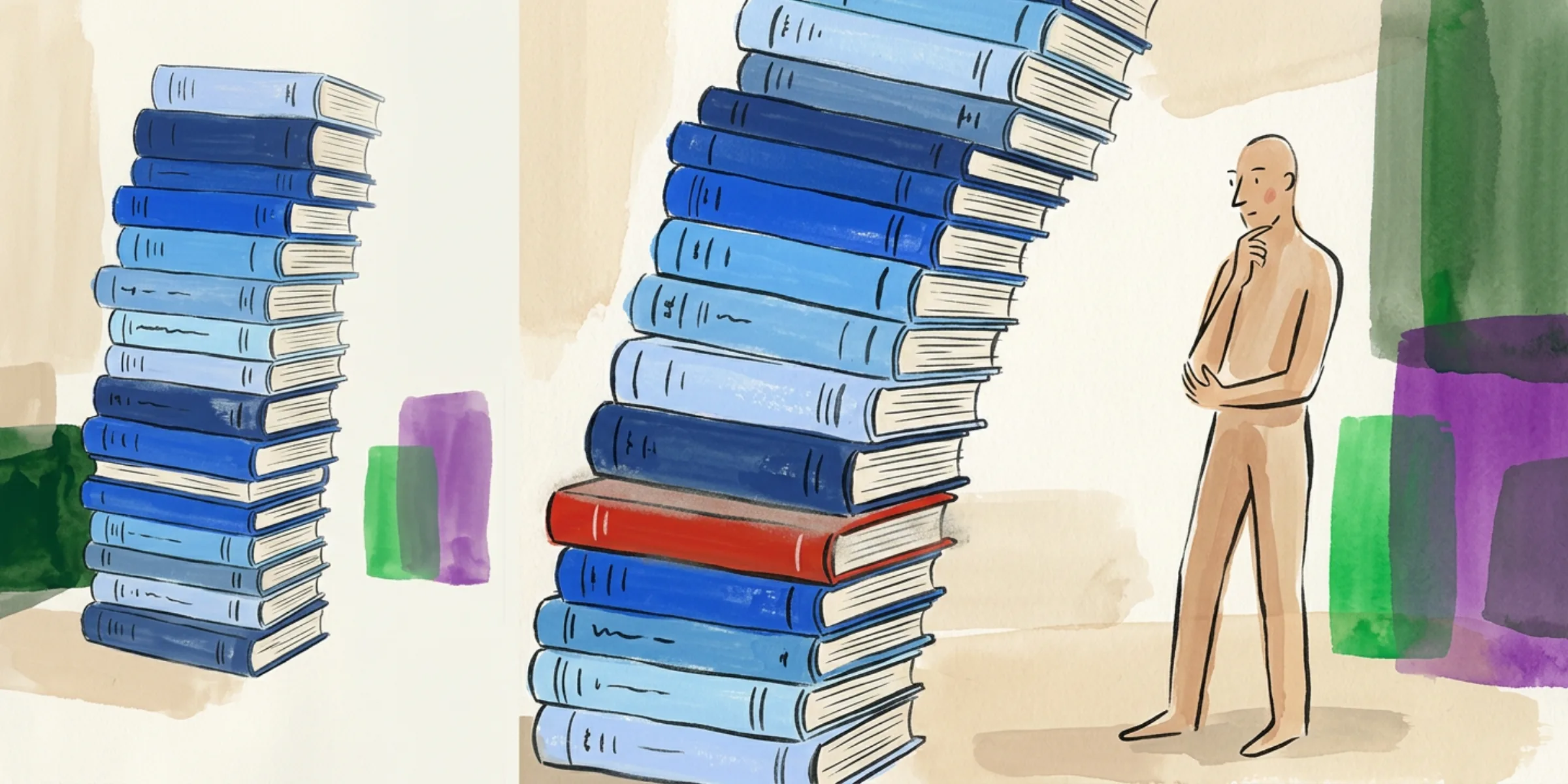
Four of the five checks a tax return review runs test something inside the return being reviewed: does it agree with itself, does it agree with the source documents, does each position have authority behind it, has planning been left on the table. The fifth doesn't test this year's return at all. It tests whether this year's opening position matches what last year's return closed with — and a net operating loss carried forward under 26 U.S.C. § 172 is the plainest case of it. The loss was fixed the year it happened. Every year after that, the return only has to carry the right number forward, not prove it again.
Continuity is one of five checks
See where prior-year continuity fits inside the full tax return review sequence.
What actually carries forward
- A net operating loss under IRC § 172 — for losses arising after 2017, carried to every following year with no expiration until it's used up.
- A capital loss carryforward, tracked against the same short-term or long-term character it started with.
- A suspended passive loss, waiting on the activity that generated it to either produce income or be disposed of.
- An accounting method — cash or accrual, or how a specific item is capitalized versus expensed — once it's been used on a filed return.
- An election already in force: an S-corp election, a prior year's § 179 or bonus depreciation election, an entity classification choice.
None of these gets recomputed from first principles every April. Each one gets carried, which is a different verb from calculated, and it changes what a reviewer is actually checking. The question isn't "is this number right" — it was already answered, in a prior season, by a prior reviewer who may not be at the firm anymore. The question is narrower and easier to skip: does this year's return actually match what that answer was.
A carryforward that was wrong in 2019 is not wrong again in 2026. It is inherited, unless someone in between actually looked.
Reliance is allowed. Unexamined reliance isn't.
31 CFR § 10.22 lets a reviewer rely on someone else's prior work — but only when reasonable care went into checking it first. For continuity, that's the whole job: trusting last year's closing balance is fine, until the return gives no way to see where it came from. A schedule that states this year's number with no line back to last year's isn't evidence. It's an assertion.
No expiration
How long a net operating loss arising after 2017 can be carried forward under IRC § 172(b)(1)(A) — long enough that an unexamined error has no natural point at which it ages out on its own
The one carryforward that isn't allowed to change quietly
Accounting methods are the sharpest version of this problem, because unlike a loss balance, a method can look like it's open to a second opinion. It isn't. Under IRC § 446(e), a taxpayer who wants to change the method they've been using "shall, before computing his taxable income under the new method, secure the consent of the Secretary" — in practice, a Form 3115 filed with the IRS. A new preparer who decides a client has been capitalizing something that should have been expensed, and simply starts expensing it this year, hasn't corrected an error. They've made an unauthorized method change, which is its own compliance problem layered on top of whatever the original treatment was.
Pull last year's closing position
The carryforward balance, the accounting method used, the elections in force — as the prior return actually closed, not as anyone remembers it.
Line it up against this year's opening position
Same balance, same method, same elections — unless a change was deliberately made and documented.
Flag anywhere they don't match
A mismatch here is a continuity break, not a rounding difference, and it needs an explanation before the return moves on.
Only then review this year's activity
Continuity has to hold before this year's numbers mean anything, because they're built on top of it.
The failure mode isn't a reviewer who skips this check on purpose. It's a firm where the person who caught last year's exception, and the reason it was accepted rather than corrected, isn't the person reviewing this year's file — and the reasoning never traveled with the number it explains. The carryforward schedule shows a balance. It doesn't show why that balance is what it is, which means every year the continuity check runs, it's re-trusting a number nobody currently at the firm could actually explain if asked. Pernee keeps that reasoning attached to the line it explains, across the seasons a firm keeps carrying it forward, so a continuity check finds the explanation instead of just the number.
Give a carried-forward number its reasoning back
See how Pernee keeps the explanation behind a balance attached to it, year over year.